
Duel of the Fates (John Williams) — Music Theory Breakdown: Chords, Rhythm, Choir & Orchestration
A deep dive into duel of the fates music theory, and why it still defines cinematic battle scoring
May 4, 2026
Only a few pieces of film music hit like Duel of the Fates. Composed by John Williams for Star Wars: The Phantom Menace, the track doesn’t just accompany the duel between Obi-Wan, Qui-Gon, and Darth Maul — it defines it emotionally, spiritually, and structurally.
It’s not “background music.” It’s storytelling at a symphonic level.
And more than two decades later, its DNA still echoes through modern Star Wars projects, especially anything involving Maul, from films to animated continuations.
Let’s break it down step by step.
1. The Choir Entry – “The Warning Signal”
What you hear:
A brutal Sanskrit choir entrance
Sound idea:
- No instruments yet
- Just human voices
- Rhythm > melody
This is where many searches like “star wars choir lyrics” or “duel of the fates choir lyrics” come from — but the truth is important: The choir is not meant to be literal language. It functions as pure ritual sound.
Why it works:
This is psychological priming. The choir acts like a mythological alarm system.
It tells your brain: something ancient and irreversible is happening
Producer takeaway:
This is equivalent to a cinematic “drop trigger” — but instead of bass, it’s human tension.
2. The Ostinato Foundation – Constant Motion (duel of the fates rhythm)
Once the rhythm locks in, we get the defining engine:
- strings + percussion ostinato
- relentless 4/4 propulsion
- no harmonic resolution for long stretches
This is the backbone of duel of the fates rhythm.
Think:
motion without escape
This directly mirrors the duel:
- no safe space
- no rest
- no resolution until death
Sound design note:
The rhythm is more important than melody here — it behaves like a kinetic system rather than a tune.
This is also why modern composers study it when learning how to compose cinematic battle music.
3. The Harmonic Language – Minor, but not “sad”
Unlike typical minor-key music, this doesn’t feel emotional in a traditional way.
From a duel of the fates chords perspective, what’s important is:
- modal harmony
- shifting tonal centers
- avoidance of full resolution
This creates a feeling of:
destiny instead of emotion
It doesn’t say “this is sad”
It says “this is inevitable”
4. The Percussion Layer – Controlled Chaos
The percussion is not just supporting rhythm — it’s part of the narrative drive.
Key elements include:
- timpani used for harmonic weight and tension reinforcement
- low orchestral percussion accents that reinforce structural climaxes
Rather than relying on heavy or exotic percussion layers, the cue builds intensity through orchestration and repetition.
5. The Choral Stabs – The “Fate Motif”
Now we get the iconic rhythmic chant accents:
- short bursts
- percussive vocal hits
- orchestral synchronization
Each hit feels like:
- a saber clash
- a movement shift
- a decision point
Sound analogy:
Think of it like velocity spikes in a drum pattern — but performed by a choir.
6. The Brass Climaxes – Emotional Pressure Release
When brass enters fully, it never resolves cleanly.
Instead:
- it escalates
- then resets tension
- then escalates again
This avoids emotional closure on purpose.
Why?
Because the duel itself has no moral clarity — only momentum.
7. The Structural Genius – No Traditional “Theme”
This is the key insight most duel of the fates music theory breakdowns miss:
There is no melody in the traditional sense.
Instead, we have:
- rhythmic identity
- harmonic tension field
- vocal ritual texture
So the piece behaves more like:
electronic music arrangement than classical symphonic writing
This is also why it still resonates in modern production and scoring.
8. Why It Still Hits in Modern Star Wars (Darth Maul connection)
Fast forward to today’s universe expansions around Darth Maul:
Any time Maul appears in later series or spin-offs, composers continue referencing:
- choral darkness
- ritual rhythm
- modal tension writing
Because Duel of the Fates became:
the sonic DNA of Sith mythology
It is no longer just a track — it is a character identity system.
That’s why John Williams’ signature choir makes its return in Disney’s latest 2026 animated series Darth Maul.
Wanna Join Our “What If” Challenge?
What if one creative twist could reshape an entire universe?
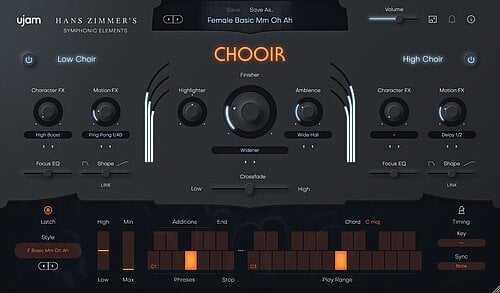
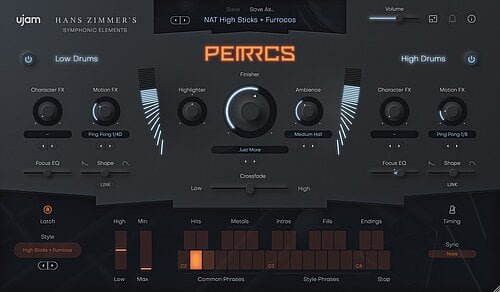
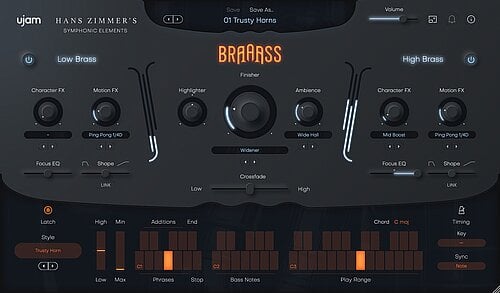
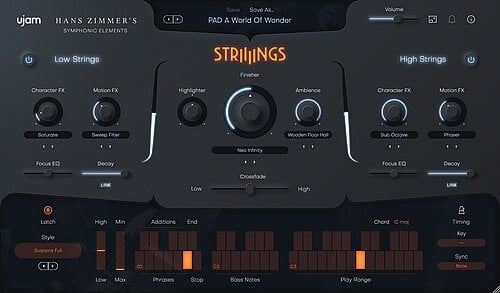
Step into the world of cinematic scoring and reimagine Star Wars through the lens of Hans Zimmer. Replace iconic themes with rhythm, texture, and raw emotion—and create something that feels both familiar and completely new.”
Stay up to date
Sign up and we’ll send you an e-mail with product news and helpful stuff every now and then. You may unsubscribe at any time.
Defy Limits
We develop software solutions that enable people to create, consume and interact with music.
About UJAM
UJAM is a German-American maker of music technology co-founded by Hans Zimmer and Pharrell Williams that develops Virtual Instrument and Effects Plug-ins. With the Plug-in series Virtual Pianist, Usynth, Groovemate, Symphonic Elements, Virtual Guitarist, Virtual Bassist, Virtual Drummer, Beatmaker and Finisher and a range of software solutions (desktop, mobile, web), UJAM helps people to make music.